
NEWS
Zaskakujący spadek liczby migrantów do Niemiec. Co stoi za tym nieoczekiwanym trendem i jakie mogą być jego konsekwencje?

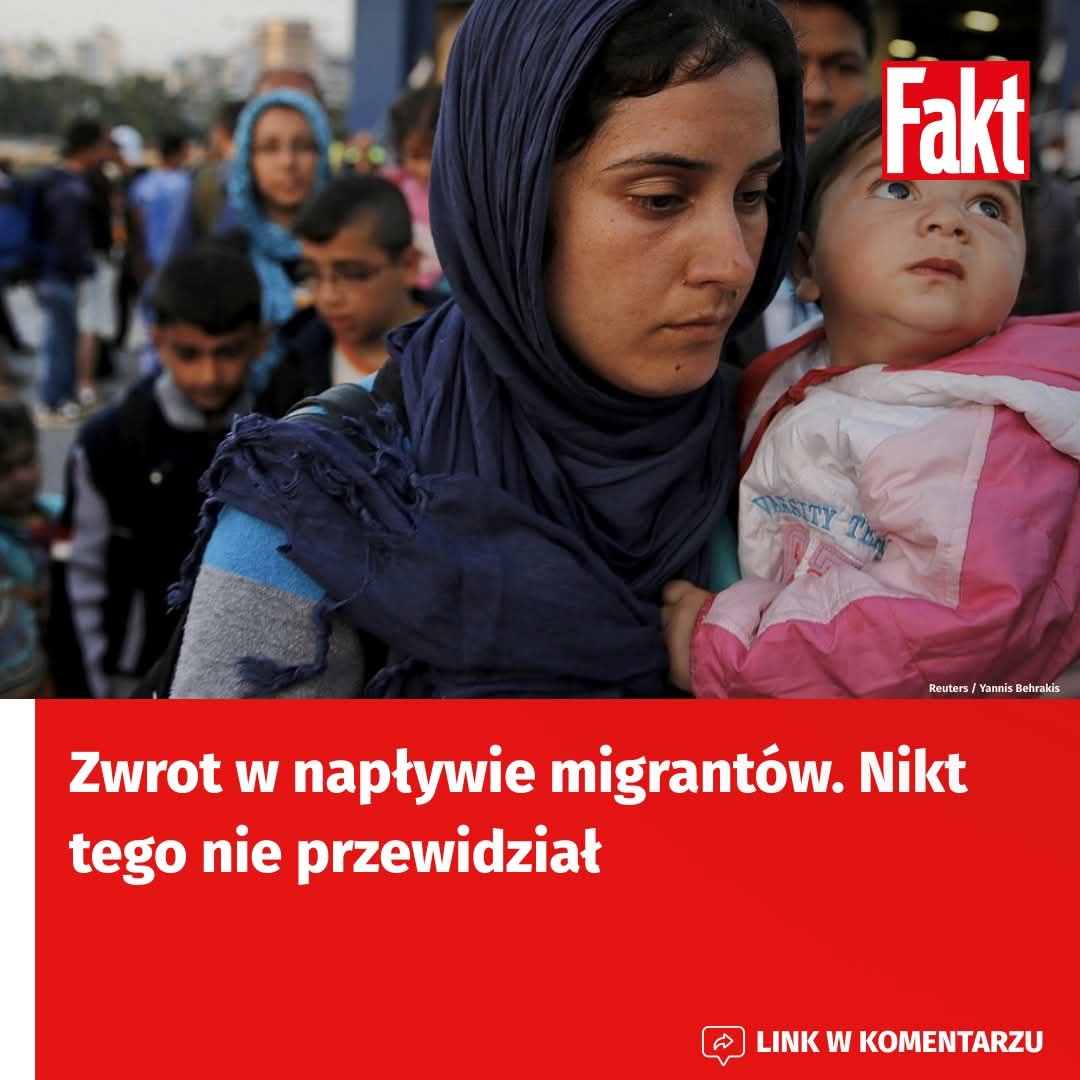
Zaskakujący spadek liczby migrantów do Niemiec. Co stoi za tym nieoczekiwanym trendem i jakie mogą być jego konsekwencje?
“A surprising drop in the number of migrants to Germany. What is behind this unexpected trend and what could its consequences be?”
A Surprising Drop in Migration to Germany: Causes and Consequences
For years, Germany has been one of the main destinations for migrants in Europe, known for its strong economy, social welfare system, and relatively open migration policies. Recently, however, official data and reports have pointed to a surprising decline in the number of migrants arriving in the country. This unexpected trend has sparked debate among politicians, economists, and the public alike. What is driving this change, and what might it mean for Germany’s future?
What Is Behind the Decline?
One of the key factors behind the drop in migration is stricter migration and asylum policies. In recent years, Germany has tightened border controls, accelerated asylum procedures, and increased deportations of people whose applications were rejected. These measures, combined with stronger cooperation with neighboring countries, have made it more difficult for migrants to enter and remain in the country.
Another important reason is the changing situation in migrants’ countries of origin and along migration routes. Some regions that previously experienced intense conflict or instability have seen relative improvements, reducing the pressure to migrate. At the same time, other destination countries have adjusted their policies, altering migration routes and making Germany less accessible or less attractive than before.
Economic factors also play a role. While Germany’s economy remains strong, it has faced challenges such as inflation, housing shortages, and slower growth in certain sectors. Rising living costs—especially high rents in major cities—can discourage potential migrants, particularly those seeking better economic opportunities rather than refuge from conflict.
Finally, perception matters. Political debates about migration, concerns over integration, and public discussions about social cohesion may influence how Germany is viewed abroad. If potential migrants perceive the country as less welcoming or offering fewer opportunities, they may choose alternative destinations.
Potential Consequences for Germany
The decline in migration could have significant implications for Germany’s economy and society. One major concern is the labor market. Germany has an aging population and a growing shortage of workers in key sectors such as healthcare, construction, engineering, and skilled trades. Fewer migrants could make it harder for businesses to fill vacancies, potentially slowing economic growth.
On the other hand, a reduced inflow of migrants may ease pressure on public services and housing in the short term. Schools, local governments, and social welfare systems that have struggled to keep up with rapid population growth might find it easier to manage resources. This could improve int

Zaskakujący spadek liczby migrantów do Niemiec. Co stoi za tym nieoczekiwanym trendem i jakie mogą być jego konsekwencje?
Seniorzy mogą być zaskoczeni zmianami w wypłatach czternastek. Co roku coraz więcej osób otrzymuje pomniejszone świadczenia.

Mąż Agnieszki Maciąg zabrał głos po świętach. Smutne słowa wdowca i samotnego taty 🔗 ZOBA CZ WIĘCEJ PONIŻEJ: 👇
Klamka zapadła, Nawrocki podpisał. Seniorzy aż podskoczą z radości
Para prezydencka pojawiła się na koncercie “Bóg się rodzi” organizowanym przez Telewizję Republika, gdzie pierwsza dama zwróciła uwagę swoim strojem (Szokujący koszt stroju)➡️
Prezydent odbył trening pięściarski z żołnierzami stacjonującymi na granicy Polski oraz Białorusi 🥊 Czytaj więcej ⬇⬇⬇

Już nie tylko rozboje, podpalenia i akty dywersji, ale też uprowadzenia i groźby śmierci. Informacja o porwaniu przez Ukraińca 9-letniego dziecka na
TVN UWAGA! | Zamiast sąsiedzkiego wsparcia w chorobie syna, nienawiść i fala hejtu ➡

Dlaczego? “Odmawia przyjęcia pomocy” ⬇ ZOBACZ:

Donald Tusk nie pozostawił wpisu prezesa PiS bez odpowiedzi ➡️

Ponad połowa Polaków dobrze ocenia prezydenta Karola Nawrockiego! Liczba zwolenników głowy państwa rośnie. SONDAŻ Czytaj więcej 👇
