
NEWS
BREAKING NEWS…D.O.N.A.L.D T.R.U.M.P BLINDSIDED: Canada DUMPS $19 BILLION U.S. F-35 Deal for 88 GRIPENS — Sweden Snatches Massive NATO Contract Overnight! Canada’s decision on 88 Gripen fighters would not stop at its own borders. Such a move would ripple outward across NATO, signaling that major allies are willing to prioritize flexibility, cost efficiency, and operational sovereignty over default alignment with a single defense supplier. What begins in Ottawa could quickly echo in other capitals. Analysts say the first impact would be psychological as much as strategic. A Canadian Gripen choice would legitimize alternative procurement paths, emboldening mid-sized NATO members to reassess their own airpower plans. That shift could weaken long-standing assumptions about interoperability being tied to one aircraft family — and reopen competition across the alliance. Timing gives the scenario real weight. As NATO faces budget strain, expanded commitments, and the need for rapid readiness, Canada’s move could become a catalyst — accelerating diversification and redistributing influence inside the alliance. What looks like a national decision may end up reshaping NATO’s internal balance…. 👉 How an 88-Gripen choice could trigger a NATO-wide rethink —See more details

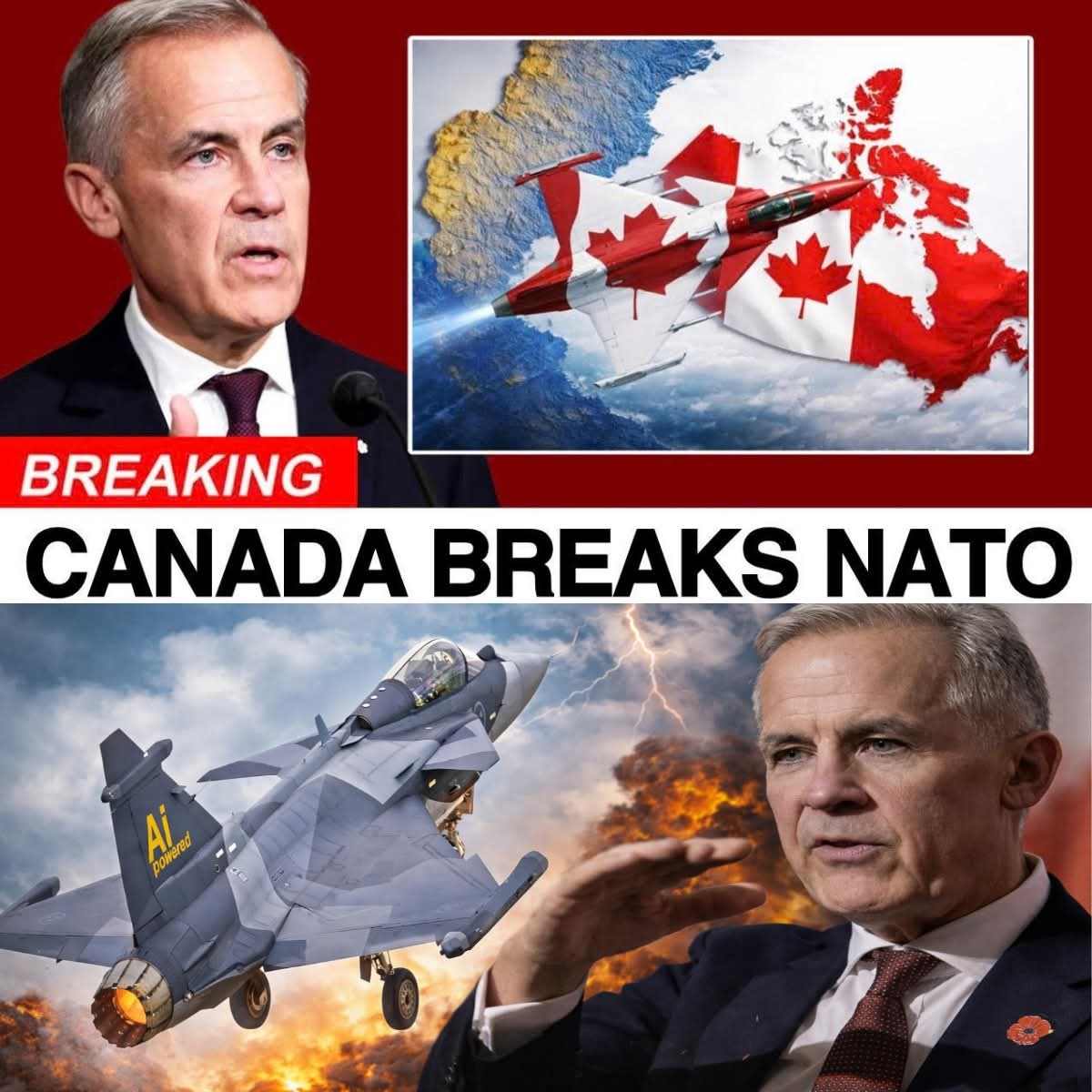
BREAKING NEWS…D.O.N.A.L.D T.R.U.M.P BLINDSIDED: Canada DUMPS $19 BILLION U.S. F-35 Deal for 88 GRIPENS — Sweden Snatches Massive NATO Contract Overnight!
Canada’s decision on 88 Gripen fighters would not stop at its own borders. Such a move would ripple outward across NATO, signaling that major allies are willing to prioritize flexibility, cost efficiency, and operational sovereignty over default alignment with a single defense supplier. What begins in Ottawa could quickly echo in other capitals.
Analysts say the first impact would be psychological as much as strategic. A Canadian Gripen choice would legitimize alternative procurement paths, emboldening mid-sized NATO members to reassess their own airpower plans. That shift could weaken long-standing assumptions about interoperability being tied to one aircraft family — and reopen competition across the alliance.
Timing gives the scenario real weight. As NATO faces budget strain, expanded commitments, and the need for rapid readiness, Canada’s move could become a catalyst — accelerating diversification and redistributing influence inside the alliance. What looks like a national decision may end up reshaping NATO’s internal balance….
👉 How an 88-Gripen choice could trigger a NATO-wide rethink —See more details
🚨 D.O.N.A.L.D T.R.U.M.P BLINDSIDED: Canada DUMPS $19 BILLION U.S. F-35 Deal for 88 GRIPENS — Sweden Snatches Massive NATO Contract Overnight! 🇨🇦🇸🇪🔥
In a stunning defense shake-up sending shockwaves through Washington, Canada has reportedly walked away from its long-planned $19 billion purchase of U.S.-built F-35 fighter jets — pivoting instead to Sweden’s Gripen in a surprise 88-aircraft deal that could rewrite NATO’s internal power dynamics.
For years, the F-35 program has been treated as the default path for NATO air forces — a symbol of interoperability, U.S. leadership, and alliance unity. But Ottawa’s sudden shift signals something far bigger than a procurement change. It marks a growing willingness among allies to break from automatic dependence on American defense giants and pursue cost-efficient, sovereign alternatives.
And the timing could not be more politically explosive.
Donald Trump, who has repeatedly framed defense exports as proof of American dominance and leverage over allies, now faces the humiliation of a premier NATO partner handing a flagship contract to Sweden — overnight. Not only is the deal a financial blow to U.S. defense industry expectations, it’s a symbolic crack in Washington’s assumed grip over allied military planning.
Why the Gripen?
Analysts point to three decisive factors:
• Cost efficiency – Gripens are significantly cheaper to buy and operate than F-35s
• Operational sovereignty – Canada gains greater control over software, maintenance, and deployment decisions
• Flexibility – The Gripen’s modular systems allow faster upgrades without U.S. approval bottlenecks
In an era where NATO members are racing to expand readiness under tight budgets, these advantages are becoming irresistible.
The NATO Domino Effect
Canada’s decision doesn’t stop at its borders.
Defense strategists say the psychological impact may be even larger than the military one. A major G7 NATO country choosing Gripen legitimizes alternative procurement paths — emboldening mid-sized alliance members to reconsider their own future fighter plans.
For years, interoperability was treated as synonymous with “everyone flies the same U.S. platform.” Canada’s move challenges that assumption. If Swedish systems can integrate successfully inside NATO command structures, the door opens to a diversified alliance air fleet — weakening U.S. monopolized influence in defense supply chains.

TRUMP EXPOSES THE GREENLAND LIE — AND NATO CAN’T DENY IT President Trump just dropped a truth bomb the globalists hoped would stay buried….the details are worse than the headline👇👇

JUST IN…MILITARY GENERAL CALLS TRUMP A “TRAITOR,” SPARKING POLITICAL FIRESTORM A senior military general has publicly labeled Donald Trump a “traitor,” igniting shockwaves across Washington and triggering an intense national debate. The explosive accusation raises serious questions about national security, loyalty, and accountability, with reactions pouring in from across the political spectrum. In this video, we break down exactly what the general said, why it matters, and how Trump and his allies are responding as the fallout continues to grow. 👇 Full analysis inside

BREAKING NEWS…D.O.N.A.L.D T.R.U.M.P BLINDSIDED: Canada DUMPS $19 BILLION U.S. F-35 Deal for 88 GRIPENS — Sweden Snatches Massive NATO Contract Overnight! Canada’s decision on 88 Gripen fighters would not stop at its own borders. Such a move would ripple outward across NATO, signaling that major allies are willing to prioritize flexibility, cost efficiency, and operational sovereignty over default alignment with a single defense supplier. What begins in Ottawa could quickly echo in other capitals. Analysts say the first impact would be psychological as much as strategic. A Canadian Gripen choice would legitimize alternative procurement paths, emboldening mid-sized NATO members to reassess their own airpower plans. That shift could weaken long-standing assumptions about interoperability being tied to one aircraft family — and reopen competition across the alliance. Timing gives the scenario real weight. As NATO faces budget strain, expanded commitments, and the need for rapid readiness, Canada’s move could become a catalyst — accelerating diversification and redistributing influence inside the alliance. What looks like a national decision may end up reshaping NATO’s internal balance…. 👉 How an 88-Gripen choice could trigger a NATO-wide rethink —See more details

SHOCKING TWIST: T.R.U.M.P FLEES TO MAR-A-LAGO AND SLAMMED WITH NASTY COURT ORDER — EMPIRE COLLAPSE LOOMS IN LEGAL FIRESTORM ⚡ In a shocking turn of events, PRESIDENT DONALD TRUMP reportedly rushed to his luxurious MAR-A-LAGO retreat seeking refuge, only to be blindsided by a brutal court order that threatens to strip control of his prized empire. What began as a quiet escape amid mounting pressures has erupted into a full-scale scandal, with the surprise ruling sending shockwaves through his inner circle and beyond. TRUMP’S team has lashed out furiously, calling the decision a “witch hunt” and vowing fierce appeals, while critics cheer it as long-overdue justice. Public reaction has exploded online, with the full details trending across platforms under hashtags like #TrumpMarALagoCrisis and #EmpireFalling—fans can’t believe their eyes as the once-unbreakable fortress faces potential collapse. Insiders claim behind-the-scenes sources reveal frantic late-night calls where advisors scrambled to contain the damage, whispering about hidden financial ties and escalating legal battles that could drag on for years. The drama is spreading like wildfire, dividing supporters and fueling endless speculation. The internet can’t stop talking about this explosive twist—more shocking details below 👇 👇

JUST IN…BOMBSHELL RELEASE: JACK SMITH PUBLICLY DUMPS ALL TRUMP FILES 40 MINUTES AGO — Shocking Uploads Ignite Panic in Washington as Secrets Spill! In a shocking turn that detonated through D.C., Special Counsel Jack Smith unleashed every Trump-linked file in his arsenal—publicly uploading explosive materials that sent Jim Jordan and Donald Trump into reported frenzy, scrambling for cover. Trump’s camp froze in stunned silence, firing off furious denials while Smith stood defiant on transparency; backlash surged as allies screamed “witch hunt,” but fans can’t believe this unfiltered dump just exposed the overlooked detail—hidden links to Vance and Jan. 6 horrors, hinting at deeper indictments still brewing. The internet can’t stop talking about this credibility…More shocking details

WON’T BELIEVE THE WARNING 👇 💥 PUTIN ALLY DROPS DOOMSDAY ALERT — GREENLAND TAKEOVER COULD SPARK GLOBAL EXTINCTION CLICK TO SEE WHY

JUST IN…TRUMP STUNNED as ALLIES PULL THE PLUG — Canada DROPS Starlink, Europe GOES INDEPENDENT💥 In a blistering public snub that left the White House reeling, former President Trump’s push for Starlink dominance hit a wall as key allies bailed out. Canada abruptly severed ties with the satellite network, while European leaders signaled a pivot to independent systems, framing it as a stand against overreach. Read more: What Trump once touted as a masterstroke in global connectivity now looks like a humiliating flop, exposing cracks in his influence and sparking whispers of bipartisan pushback at home. The symbolic defeat stings, tarnishing his image as the ultimate dealmaker amid growing institutional resistance. Critics wasted no time piling on, with Democrats hailing the moves as a wake-up call against tech entanglement, while even some GOP voices murmured unease. Analysts interpret this as a bold message from allies: no more bending to American whims. Warnings swirl that the setback could erode Trump’s broader leverage on the world stage, turning a calculated power play into a narrative-shifting backfire that leaves his ambitions hanging in the balance. What was once marketed as a bold vision for global connectivity has suddenly turned into an international embarrassment.

BREAKING NEWS: TRUMP OPENLY THREATENS Canada Over Ports — but Carney FLIPS THE SCRIPT, Leaving Him HUMILIATED on the World Stage! 🇨🇦🇺🇸 In a jaw-dropping diplomatic showdown that left the entire room in stunned silence, Donald TRUMP abruptly pressured Canada over access to strategic ports — only to be swiftly shut down and embarrassed by Prime Minister Mark Carney in front of global leaders. TRUMP demanded expanded U.S. control over Canada’s critical shipping routes, claiming Washington had been “taken advantage of for decades.” But Carney didn’t hesitate. With a calm yet razor-sharp tone, he made it crystal clear shutdown Trump with just a sentence. Witnesses say TRUMP fell completely silent as Carney delivered his cutting rebuttal, flipping the balance of power in just a few sentences. Several European leaders reportedly nodded in approval, while Asian delegates whispered that they had just witnessed a rare masterclass in high-stakes diplomacy. The confrontation left Washington rattled and off balance — but the most shocking moment was still to come… What Carney said next made the entire room erupt — see the line that left TRUMP completely speechless!👇‼️

TRUMP LOSES IT as Canada Cuts Off the U.S. — EU & Asia Lock In a MASSIVE Aluminum Deal!🔥 In a stunning economic shock that caught Washington completely off guard, Canada has slashed major aluminum shipments to the United States and rerouted them to Europe and Asia — igniting panic inside the White House and sending Donald Trump into a rage. According to sources, Ottawa quietly finalized a multi-billion-dollar aluminum partnership with the EU and key Asian economies, instantly replacing U.S. demand and leaving American manufacturers scrambling for supply. Auto plants, aerospace companies, and construction giants across the U.S. are already sounding the alarm over production delays, soaring costs, and potential layoffs. TRUMP reportedly “lost his temper” after discovering Canada had sealed the deal without even informing Washington. Advisors say he slammed the table and accused Canada of “economic betrayal” — but the reality is blunt: Canada found bigger, more stable buyers, and moved on. For the first time in decades, the U.S. is watching Canada’s resource power pivot eastward, while European and Asian partners celebrate what one diplomat called “the strongest trade realignment in years.” Meanwhile, Canada hails a historic win — and the real consequences for America are only just beginning. 👉One U.S. industry is about to collapse first — find out below what Washington never saw coming. 👀👇
BREAKING: Canada slaps down Trump, signals military response if Greenland is invaded. Discover how Canada’s bold move towards the United States regarding Greenland is reshaping global politics – Read more

SHOCKING: CANADA–DENMARK PACT LOCKS THE U.S. OUT OF GREENLAND — TRUMP HAS NO CARDS 🇨🇦 🇩🇰 Canada and Denmark have just finalized a surprise bilateral pact that effectively cuts the United States out of Greenland’s strategic future, leaving Washington stunned. Sources say the agreement tightens control over Arctic access, security coordination, and critical infrastructure, shutting down any room for U.S. maneuvering. Analysts warn this move redraws the Arctic chessboard overnight, stripping Trump of leverage and exposing how isolated the U.S. position has become. Insiders say there was no contingency plan, no counterplay — and no cards left to play. 👇 Why this pact changes everything in the Arctic — and why the U.S. can’t undo it — is now sending shockwaves through global power circles.”
